Placenta Encapsulation FAQ Guide
Blog post description.
Sacred Blossoms
11/14/20252 min read
Placenta Encapsulation FAQ Guide
A Supportive Resource for Your Postpartum Journey
What is placenta encapsulation?
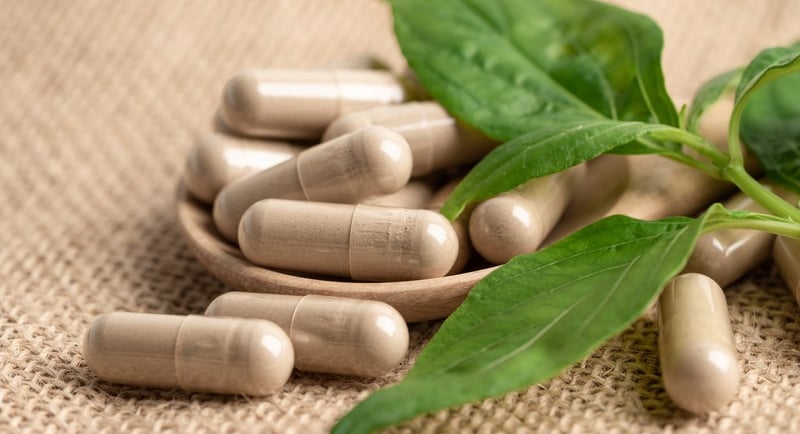
Placenta encapsulation is the practice of preparing your placenta after birth by steaming (in some methods), dehydrating, grinding it into powder, and placing it into capsules for ingestion. It is a tradition found in cultures worldwide and is now embraced by many seeking a more holistic and natural postpartum recovery.
Why do people consume their placenta?
Many birthing parents turn to placenta encapsulation to support the fourth trimester. Though scientific research is limited, people often report benefits including:
More balanced hormone levels
Reduced baby blues or postpartum depression
More stable energy
Increased milk supply
Replenished iron and nutrients after birth
For some, the placenta also holds deep emotional or spiritual significance and consuming it feels like a meaningful way to honor its role in their birth experience.
What does the placenta actually do during pregnancy?
The placenta is an incredible organ. It:
Delivers oxygen and nutrients to the baby
Removes waste
Produces hormones like hCG, progesterone, and estrogen
Provides immune protection
Supports healthy fetal development
Because it sustains and protects your baby, many parents feel it deserves respect, not disposal. Some continue its nourishing role through encapsulation.
What are the different methods of encapsulation?
Traditional (Steamed) Method
Inspired by Traditional Chinese Medicine
Placenta is gently steamed, then dehydrated
Considered a warming method
Recommended for Group B Strep (GBS+)
Often emotionally grounding
Raw Method
Skips steaming
Placenta is dehydrated immediately
More enzymes and hormones retained
Typically yields more capsules
Can feel more energizing
Quick Guidance:
If you are GBS+—Traditional is safest.
Otherwise—trust your intuition. Both are valid.
What is the process from birth to capsules?
Let the hospital know you plan to keep your placenta.
Assign someone to handle pickup and transport.
Store it safely in a cooler with real ice.
Placenta is prepared in a sanitized workspace.
Dehydration (and steaming if chosen).
Capsules created and packaged for you.
A typical placenta yields about 100–120 capsules.
Is placenta encapsulation safe?
Safety depends on proper handling. A trained, certified specialist should:
Follow OSHA standards
Use bloodborne pathogen safety protocols
Sanitize all surfaces and tools
Provide clear consent forms and documentation
We follow APPA-aligned safety standards to ensure your peace of mind.
Is there any controversy around placenta consumption?
Yes. The CDC does not recommend it due to potential bacteria risk.
However, experienced encapsulation professionals state it is safe when:
No infection is present during labor
Proper steaming is used, especially with GBS
Encapsulation is done in a controlled, sterile environment
DIY encapsulation is strongly discouraged.
Who should NOT encapsulate their placenta?
Encapsulation is unsafe if:
You had chorioamnionitis (placental infection)
There's confirmed infection that could transfer
Your placenta was mishandled
DIY methods are your only option
How much does placenta encapsulation cost?
Typical range: $200–$400, depending on location and services included.
Packages may also include:
Dried umbilical cord keepsake
Placenta tincture
Placenta gummies
Placenta smoothie prep
Long-term keepsakes and ritual items
What if I don’t have a local encapsulator?
You can use a nationwide courier service. They mail you a kit, you ship the placenta, and they process it and return the capsules. It’s more expensive, but an option for rural families.
Can I consume someone else’s placenta?
No. This is unsafe and can transmit serious bloodborne diseases, including HIV and hepatitis.
Will my hospital let me take my placenta home?
Usually yes, but policies vary.
Notify staff when you arrive, and bring:
Your own cooler
Ziplock bags
Ice
Some hospitals will require paperwork, so plan ahead.
Ready to Begin?
Placenta encapsulation is a beautiful and intentional way to care for your mind, body, and emotions after birth.
We would be honored to help support your postpartum healing.